



Largemouth bass leaping out of a lake at sunset beside a bent fishing rod

New season range

Reel In Your Personal Best

Rods, reels and tackle built for the fish of a lifetime.

Spinning reels, lures, braided line and an open tackle box on a wooden jetty

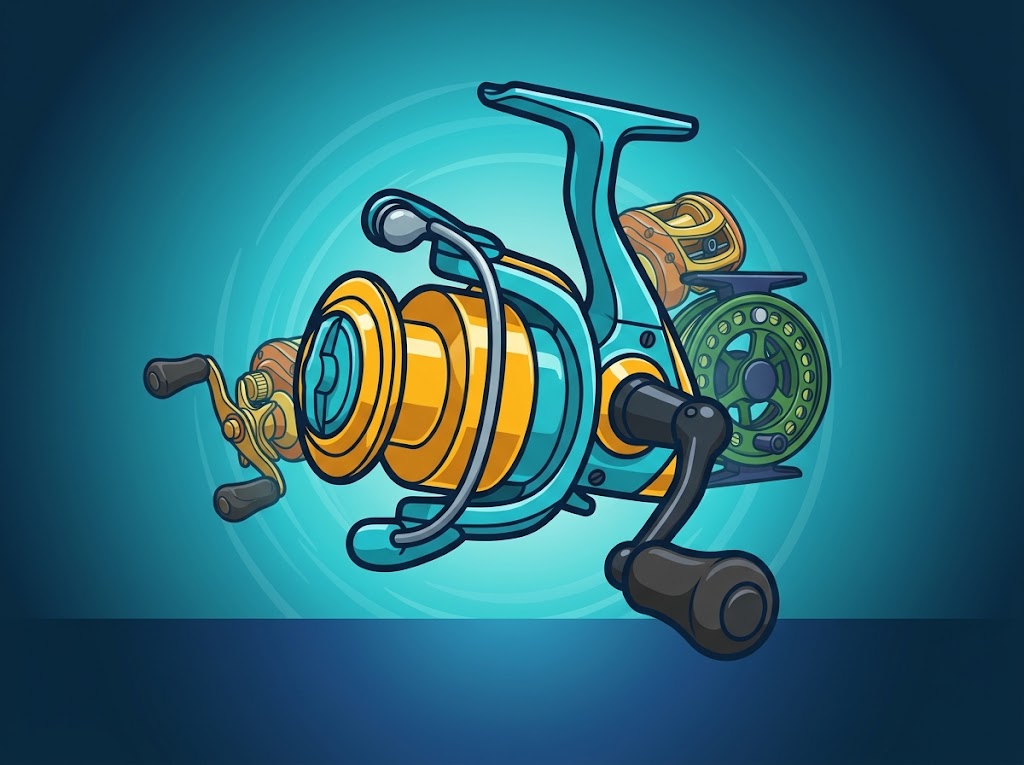
Reels, line & lures

Precision in Every Turn

Precision reels, braided line and lures that do the talking.

Green inflatable fishing boat with an outboard motor and an echo sounder on a misty lake

Boats, motors & sonar

Get Out on the Water

Inflatables, motors and sonar that put you right on the shoal.

Good places to start

Bestsellers

Dependable rods, reels and bait that suit a wide range of waters and budgets.

    Shop by fishing style

    How Do You Fish?

    Pick the way you like to fish and we’ll show the gear that suits it best.

    Spinning

    Light rods, quick reels and lures that keep you moving along the bank for perch, pike and trout.

    • Rod of 2.1–2.7 m, casting 5–30 g
    • 2500–3000 reel loaded with braid
    • A small box of spinners and jigs
    Browse the full catalogue

      The full range

      Shop All Gear

      Every rod, reel, bait and gadget we carry. Filter by category or use the search in the header.

        Ready-to-fish bundle

        Big Bass Boxing Bonus Round

        Rod, reel, line and a loaded tackle box in one box.

        • 2.40 m carbon spinning rod, 10–40 g
        • 3000-size reel with a 5.2:1 gear ratio
        • 150 m of 0.14 mm braided line
        • Tackle box with lures and terminal tackle
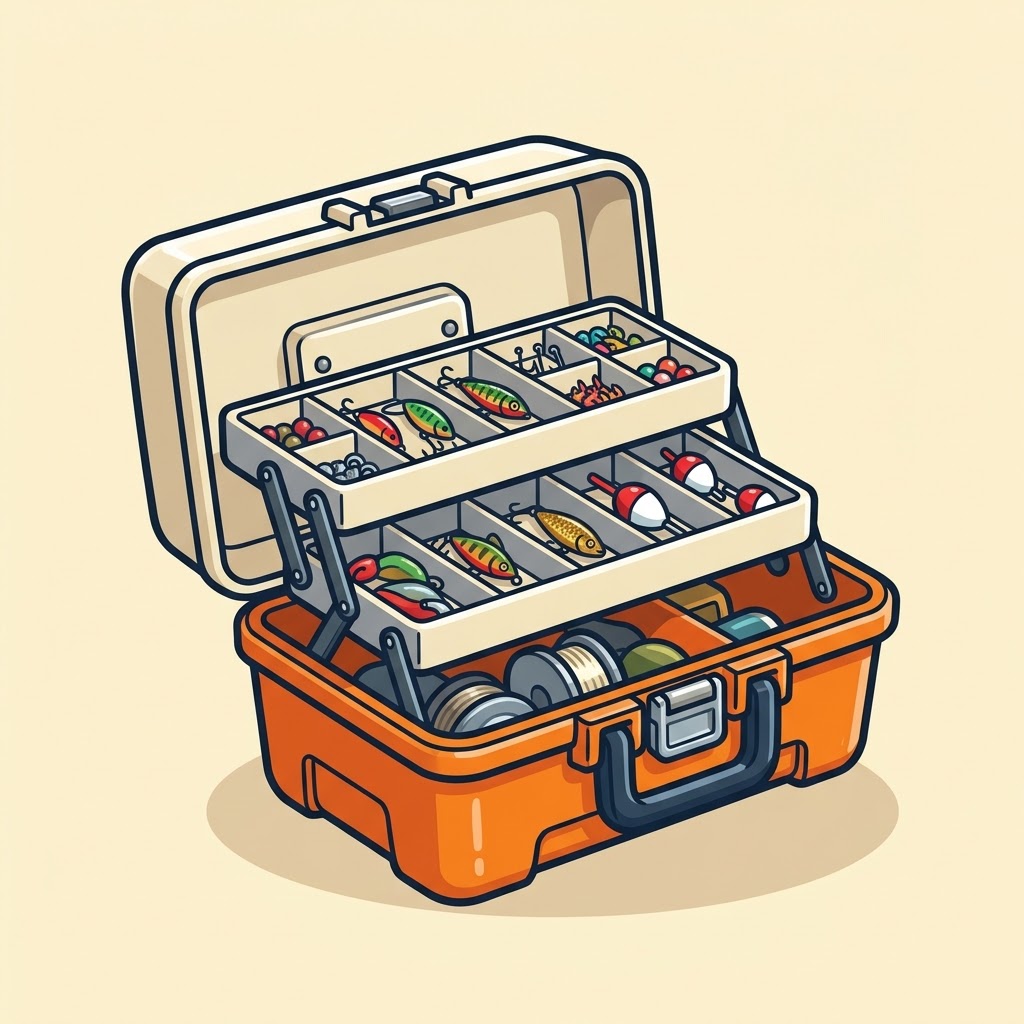
        Open tackle box with trays full of lures

        Why SmithChevyLand

        How We Work

        • Gear we fish ourselves

          Everything in the range is kit we would take on our own trips, and every listing says plainly what it is built for.

        • Built for every water

          Small canals, fast rivers, deep lakes and frozen ponds: the range covers bank, boat and ice fishing.

        • Straight-talking advice

          Tell us where you fish, what for and what you want to spend, and we’ll suggest a simple setup that suits it.

        • A person answers every enquiry

          Every message is read and answered by someone on our team, not an auto-responder. If something needs checking, we tell you so and come back with a real answer.

        Guides

        Learn Before You Cast

        Plain-English guides to the kit and the habits that make a day on the water go well.

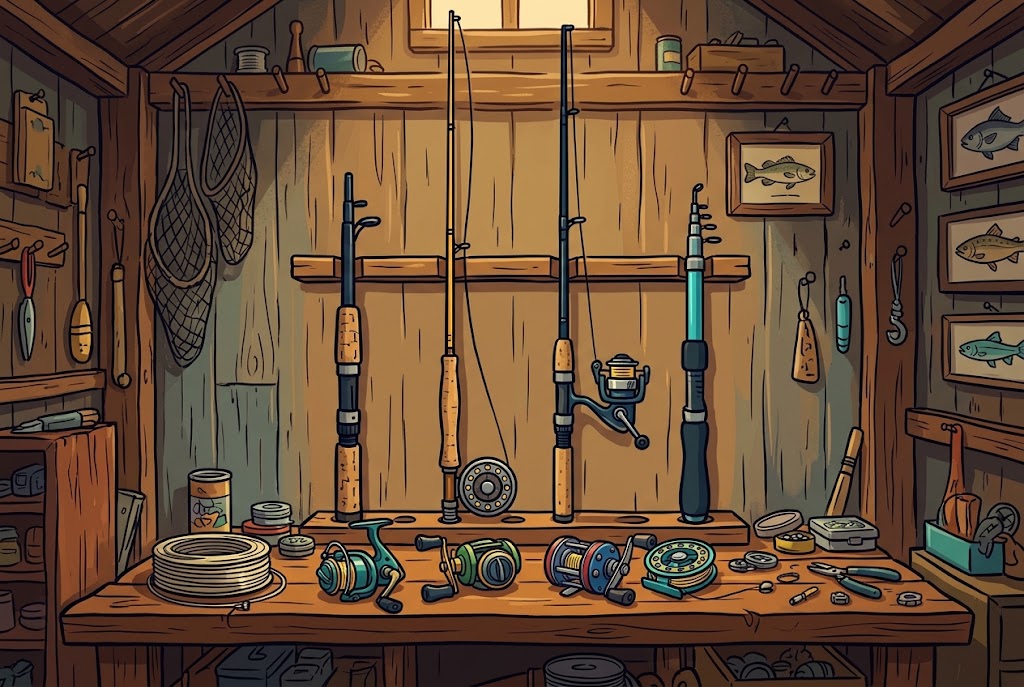
        • Rods and reels hanging on the wall of a wooden tackle shed

          How to Choose Your First Fishing Rod

          Length, casting weight and action in plain words, so your first rod suits the water you actually fish.

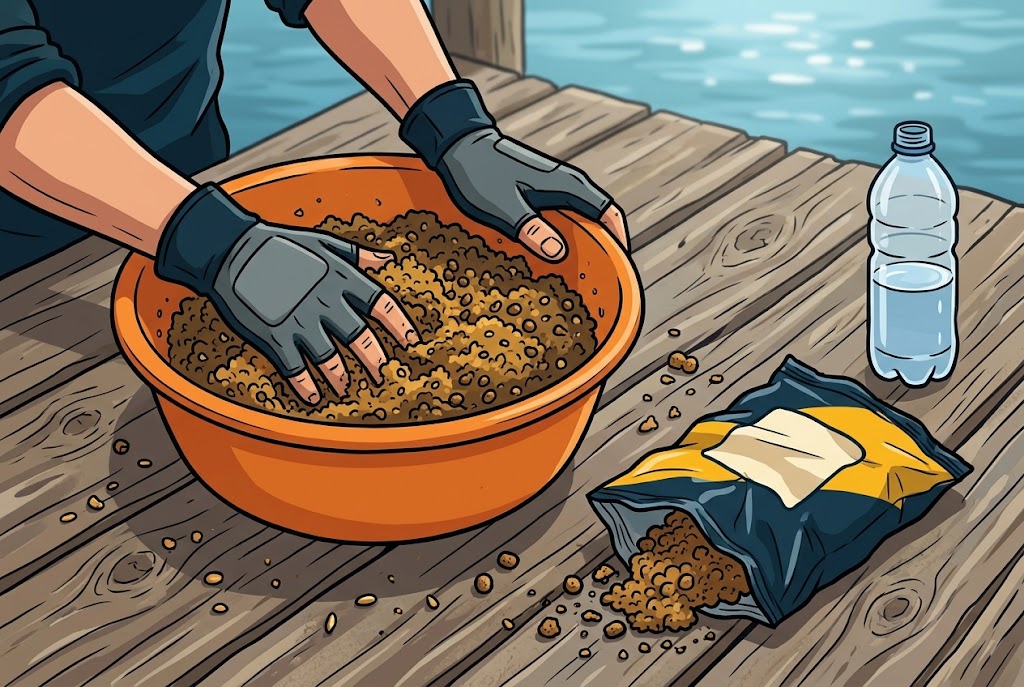
        • Gloved hands mixing groundbait in an orange bowl on a wooden jetty

          Groundbait: Mixing, Feeding and Timing

          What goes into a mix, how to get the texture right and how much to feed through a session.

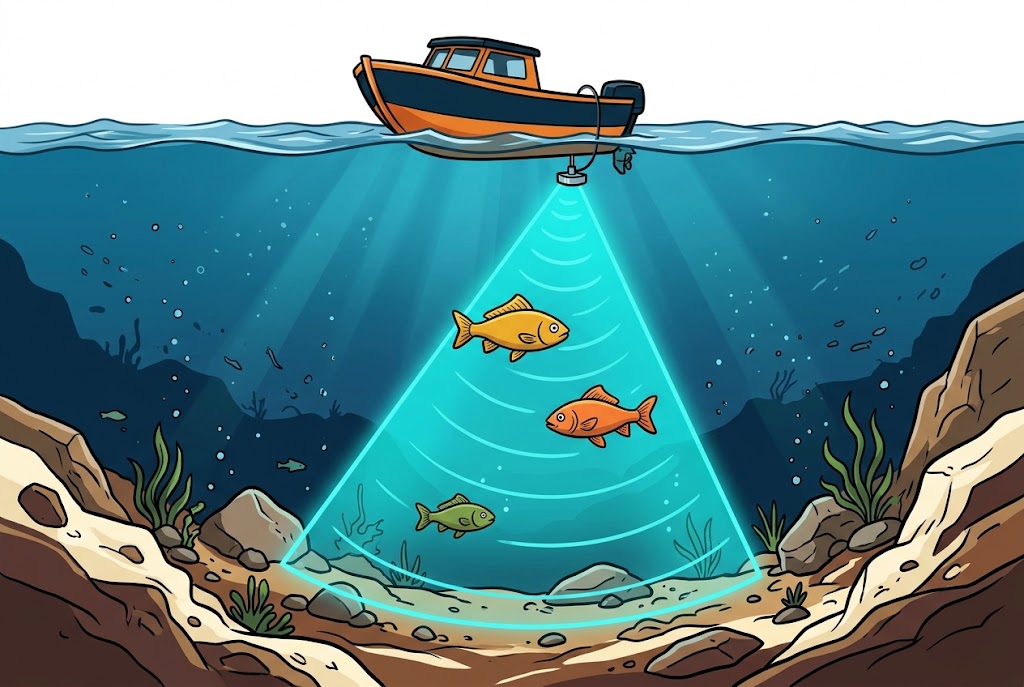
        • Boat on the surface with a sonar cone reaching down to fish and the lake bed

          Sonar Basics: Reading a Fish Finder

          Frequencies, cone angles, bottom returns and fish arches: how to make sense of the screen.

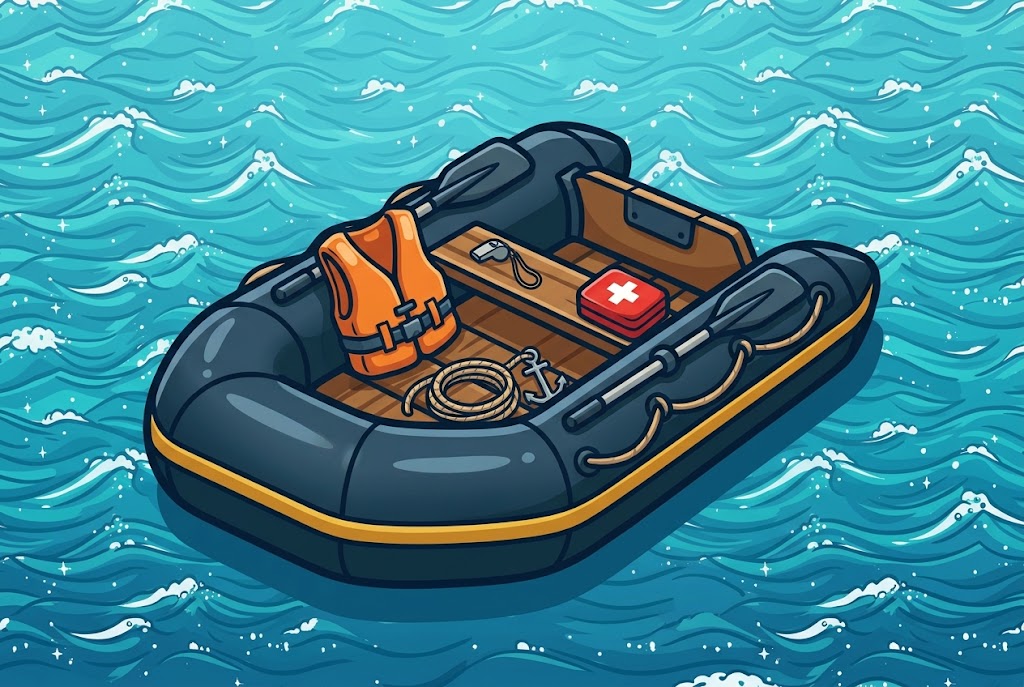
        • Inflatable boat carrying a life jacket, a first-aid kit, rope and oars

          Small Boat Safety for Anglers

          Weather, life jackets, load limits and the kit to carry before you take a small boat out to fish.

        Guide

        How to Choose Your First Fishing Rod

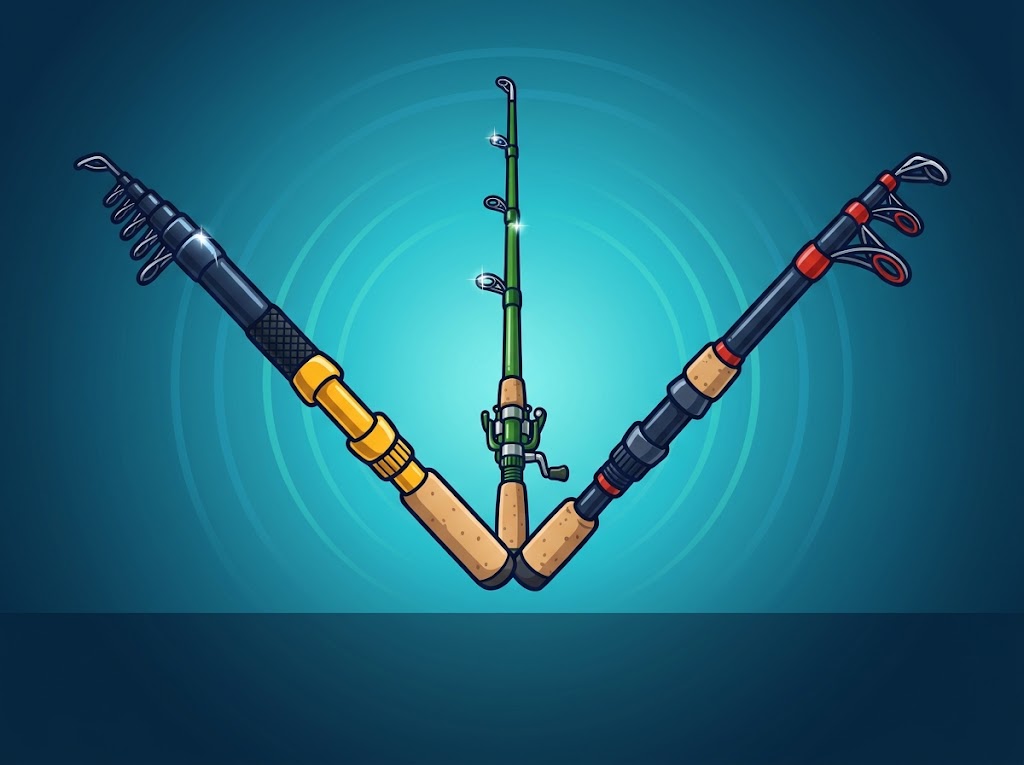
        A fishing rod does three jobs at once: it casts the bait, it tells you what is happening at the other end of the line, and it absorbs the lunges of a hooked fish. A good first rod does all three well for the kind of fishing you will actually do. That matters far more than the price tag or the number of letters printed on the blank.

        Start with the water and the fish

        Before looking at any rod, picture where you will fish most often. Small rivers and canals reward a short, light rod that is easy to handle under trees and along overgrown banks. Big lakes and reservoirs call for something longer that casts further and keeps the line clear of marginal weed. Then think about the fish. Perch and trout suit light spinning gear; pike and zander need a stronger rod that can throw heavier lures; carp, tench and bream are usually caught on feeder or carp rods fished from one spot for hours. In our own range that maps to the Big Bass Amazon Xtreme for pike and zander, and to the Big Bass Trophy Catch feeder rod when you expect to sit on one spot with three quiver tips to choose from.

        If you are not sure yet, a spinning rod of about 2.4–2.7 metres is the most versatile place to start. It will cast small lures and floats, it is light enough to carry all day, and the skills you learn with it carry over to every other style. The Big Bass Bonanza is exactly that rod here: 2.40 m of carbon rated 10–40 g. If you know you will mostly fish small spinners and jigs, the Big Bass Splash does the same job at 2.10 m with a softer tip.

        Length: reach against control

        A longer rod casts further, gives better line control at distance and helps steer a fish away from snags near your feet. A shorter rod is more accurate, easier to handle in a boat or on a crowded bank, and less tiring to use. Telescopic rods collapse to a fraction of their length, which makes them ideal for travel and for keeping in the car, at the cost of a little extra weight and slightly less feel than a two-piece rod. The Big Bass Mission Fishin’ is the telescopic option in our range: it fishes at 2.70 m and closes down to 62 cm, short enough for a rucksack.

        Casting weight and power

        Every spinning and feeder rod carries a casting weight, printed on the blank as something like 10–40 g. It describes the range of lure or feeder weights the rod is designed to cast comfortably. Fish near the middle of that range: a lure that is too light will not load the rod and falls short, while one that is too heavy strains the blank and makes casting awkward or risky. Carp rods use a test curve instead, measured in pounds. A higher test curve means a stiffer rod that throws heavier leads and has more lifting power. The Bigger Bass Bonanza, our 3.60 m carp rod, sits at 3 lb, which handles long-range work on most lakes without being punishing to cast all day.

        Action: where the rod bends

        Action describes how far down the blank the rod bends under load. A fast-action rod bends mostly in the top third. It feels crisp, transmits small bites and sets the hook quickly, which suits jigging and soft plastics. A moderate-action rod bends into its middle section. It is more forgiving, cushions sudden runs, keeps treble hooks from pulling out and is kinder while you are still learning to play fish. For a first rod, moderate or moderate-fast is a safe choice.

        Material, sections and handle

        Carbon rods are light, stiff and sensitive. Glass and carbon-glass composite rods are heavier but tougher and more tolerant of knocks, which is worth considering for children or for rough use. Two-piece rods offer the best balance of feel and practicality; one-piece rods are rare outside specialist use. Handles come in cork or EVA foam. Cork feels warmer and lighter, while EVA is hard-wearing and easy to clean. Whichever you choose, check that the reel seat holds a reel firmly without any wobble.

        Balance it with the right reel and line

        A rod only performs as part of a set. A 2.4–2.7 metre spinning rod pairs naturally with a 2500 or 3000 size reel — the Big Bass Bonanza Keeping It Reel is the 3000 in our range, and the Big Bass Reel Repeat is the lighter 2500 for thin braid and perch. Braided line gives better bite detection and longer casts; monofilament stretches more, which is forgiving for beginners and for fishing close in. With the reel fitted, hold the rod at the handle: it should feel balanced rather than tip-heavy, because a tip-heavy rod quickly tires your wrist.

        A short checklist

        • Where will I fish most, and for which fish?
        • Is the length right for those banks, or for a boat?
        • Does the casting weight cover the lures or feeders I plan to use?
        • Is the action forgiving enough while I learn?
        • How will I carry it, and does it need to pack down small?

        Answer those honestly and the right rod usually picks itself. If you are still torn between two, write to us with where and how you plan to fish and we will help you narrow it down. If you would rather not assemble a set piece by piece, the Big Bass Boxing Bonus Round puts a 2.40 m rod, a 3000 reel, braided line and a loaded tackle box in one box.


        Guide

        Groundbait: Mixing, Feeding and Timing

        Groundbait is loose feed that draws fish into your swim and keeps them there while you present a hook bait among it. Used well, it turns an empty stretch of water into a spot where fish settle and feed. Used badly, it either scares fish away or fills them up before they ever find your hook. The difference comes down to three things: choosing the right mix, preparing it properly and feeding it at the right rate.

        What is in the bag

        Most commercial groundbaits are built on breadcrumb, crushed biscuit or cereal, with added ingredients that change how the mix behaves. Fishmeal adds oil and smell that carp and bream find hard to ignore. Ground hemp and seeds create an attractive cloud. Binders such as crushed pellets or egg biscuit help a mix hold together in flowing water. Colour matters too: dark mixes look natural over a muddy bottom and make fish less wary in clear water, while light mixes stand out in coloured water.

        Match the mix to the water

        In cold water, fish eat little and move slowly, so choose a fine, low-food mix that clouds the water and attracts without feeding — the Bigger Bass Blizzard - Christmas Catch is built for exactly that, a fine dark mix intended for water below 10 °C. As the water warms, fish become more active and you can add more food items such as pellets, corn or casters. Rivers need a heavier, stickier mix that reaches the bottom before the current breaks it up; the Big Bass Boom is our medium-coarse river mix for that job. On still waters a lighter mix that breaks apart on the surface or on the way down works well for fish feeding off the bottom.

        Mixing it properly

        Use a wide bowl, not a bucket, so the water spreads evenly. Add water a little at a time and mix with your fingers, working out any dry pockets. Stop while the mix still feels slightly too dry, then leave it for ten to fifteen minutes. Groundbait keeps absorbing water after you stop, and a mix that feels right straight away is often too wet once it has rested. Afterwards, pass it through a riddle or sieve to remove lumps and give a light, even texture.

        Test it by squeezing a handful into a ball. It should hold its shape when thrown or loaded into a feeder, and break apart when pressed firmly with a thumb. If it crumbles in your hand, add a few drops of water; if it feels like dough, add dry groundbait and mix again.

        Method mixes and boilies

        A method mix is groundbait made to be pressed around a feeder and hold there until it reaches the bottom. The Big Bass Halloween 2 is ours: a sweet fishmeal mix that packs tight when mixed with lake water and then releases slowly. Boilies work alongside groundbait rather than instead of it. The Big Bass Halloween 3 is a bright 20 mm strawberry bait that pulls carp into a swim quickly in warm water, while the Big Bass Christmas Bash is a 15 mm fishmeal and krill bait that breaks down slowly and keeps fish searching through the cold months.

        Feeding through a session

        Accuracy counts for more than quantity. Groundbait spread across a wide area scatters fish, while a tight patch concentrates them over your hook bait. Pick a marker on the far bank, use the line clip on your reel for feeder fishing and cast to the same spot every time. A wide-spool feeder reel such as the Big Bass Hold & Spinner Megaways makes this easier, because the clip holds a long cast at the same distance all session. A common approach is to introduce a few balls at the start to build the swim, then top it up little and often, reacting to what happens. If bites come quickly and then stop, the fish may simply be full; wait before adding more rather than piling it in.

        Reading the swim

        Watch for signs that fish have arrived: bubbles fizzing over the baited area, coloured patches of water, and small plucks or line bites as fish brush against the line. These tell you the feed is working and that you may need to adjust your rig or depth rather than add more bait.

        Storage and fishery rules

        Keep dry groundbait sealed and away from damp so it does not spoil. Mixed groundbait is best used the same day. Take any leftovers home rather than tipping them into the margins, where they rot and attract pests. Many fisheries set limits on the amount or type of bait allowed, and some ban certain ingredients altogether, so check the rules before you set up.

        A quick checklist

        • Dark and fine for cold or clear water; heavier and stickier for rivers.
        • Add water slowly, then let the mix rest before judging it.
        • Riddle out the lumps for an even texture.
        • Feed accurately to one spot, then little and often.
        • Check the fishery rules and take leftovers home.

        Guide

        Sonar Basics: Reading a Fish Finder

        A fish finder turns sound into a picture of what lies beneath the boat. It will not catch fish for you, but it shows depth, the shape and hardness of the bottom, weed beds and the fish themselves. Learning to read that picture takes a few trips, and understanding what the unit is actually doing makes the process much quicker.

        How sonar works

        The transducer, mounted below the waterline or cast out on a line, sends pulses of sound downwards. When a pulse hits something denser than water, such as the bottom, a rock or a fish with a swim bladder, part of it bounces back. The unit measures how long each echo took to return and converts that time into depth. It then draws the echoes as a scrolling picture: the newest information appears on the right-hand edge and older readings move off to the left. Everything on screen is therefore a record of what has already passed beneath you.

        Frequency and cone angle

        Most units offer at least two frequencies. A lower frequency, such as 83 kHz, produces a wide cone that covers more water and reaches greater depths, but shows less detail. A higher frequency, such as 200 kHz, gives a narrow cone with sharper detail, which is ideal in shallower water and for separating fish close to the bottom. CHIRP sonar sweeps across a range of frequencies with every pulse and generally separates targets more clearly. The Big Bass & the Gold Ness Monster runs both 83 and 200 kHz and reads down to 240 m, which covers everything most anglers will ever fish. Remember that the cone widens with depth, so the area covered on the bottom in deep water is much larger than near the surface.

        Reading the bottom

        The bottom appears as a strong band across the screen. A hard bottom such as gravel or rock reflects sound strongly, showing as a bright, thick line and often a faint second echo lower down. Soft mud absorbs sound and shows as a thinner, duller line. Weed shows as fuzzy vertical growth rising from the bottom, and drop-offs and underwater ridges appear as sudden changes in the bottom line. These features concentrate food and fish, so they are often more useful to find than the fish themselves.

        Why fish appear as arches

        When a moving boat passes over a fish, the fish first enters the edge of the cone, is closest to the transducer as it passes beneath, and then leaves the cone again. That changing distance draws an arch on the screen. A half arch usually means the fish only crossed part of the cone. If the boat is not moving, a fish holding still draws a straight line instead. Many units can replace echoes with fish symbols, but these can mislead; learning to read the raw returns tells you far more. Clouds of small marks often show shoals of bait fish.

        Settings that matter

        Start with the automatic settings, then adjust sensitivity. Raise it until the screen begins to show clutter, then reduce it slightly; too little sensitivity hides fish, too much buries them in noise. Match the scroll speed roughly to the boat’s speed, and use the zoom or bottom-lock modes to look closely at the last metre or two above the bottom, where many fish feed.

        Mounting the transducer

        A transom-mounted transducer should sit level, just below the waterline and away from turbulent water behind the propeller or hull fittings, otherwise the picture breaks up at speed. Inflatable boats such as the Big Bass Floats My Boat need a proper bracket rather than an improvised mount. Castable sonar is an alternative for bank anglers: it floats on the surface and sends readings to a phone app, within a limited range from the bank. The Big Bass Secrets of the Golden Lake works this way — cast it up to 100 m, read to 80 m, and the picture arrives over Wi-Fi for about six hours on a charge.

        Before you go

        Spend your first sessions over water you already know, comparing the screen with depths and features you have seen on charts or at low water. Check the venue rules too, as some fisheries do not allow fish finders at all.

        Guide

        Small Boat Safety for Anglers

        A small boat opens up water that no bank angler can reach, but it also puts you in a place where the weather, cold water and simple mistakes carry real consequences. None of the precautions below are complicated, and most take only a few minutes. This guide covers good habits for anglers; it does not replace local regulations, training courses or the instructions supplied with your boat, motor and life jacket.

        Before you leave the shore

        Check the forecast for wind speed, direction and gusts, not just rain. Wind blowing from the shore towards open water is especially dangerous in a small boat, because it pushes you away from safety and makes rowing back hard work. Tell someone where you are going and when you expect to return, and agree what they should do if you are late. Inspect the boat before every trip: for inflatables such as the Big Bass Floats My Boat, check the valves, the pressure in each chamber and the condition of the fabric; for rigid boats, make sure drain plugs are fitted. Charge or fill the motor’s battery or fuel tank and carry oars even if you rely on a motor. An electric outboard like the Big Bass Day at the Races runs from a 12 V battery, so charge it fully the night before and know roughly how long it lasts at the speed you actually use.

        Life jackets, always

        Everyone on board should wear a correctly sized life jacket or buoyancy aid, fastened, for the whole time on the water. A life jacket stored under a seat is very hard to put on once you are in the water. If you use an automatic inflating life jacket, check the gas cylinder and the service date before the season and after any activation, and follow the manufacturer’s servicing instructions.

        Know the boat’s limits

        Every boat carries a capacity plate or a manufacturer’s specification stating the maximum number of people, the maximum load and the maximum engine power. Stay within all three, and remember that tackle, anchors and batteries count towards the load. The Big Bass Floats My Boat, for example, is rated for two adults, 420 kg and a motor of up to 6 hp. Spread weight evenly and keep it low. Avoid standing up to cast in a small inflatable, and move carefully when changing position. When anchoring, lower the anchor from the bow rather than the side, so the boat can swing naturally with the wind or current.

        Use the kill cord

        If your outboard has a kill cord, attach it to yourself whenever the engine is running. If you fall overboard or are thrown off balance, the engine stops instead of carrying the boat away.

        Respect cold water

        Sudden immersion in cold water triggers a gasp reflex and rapid breathing in the first minute. If you fall in, try not to swim immediately: lean back, float, and let your breathing settle before acting. Stay with the boat if you can, as it is easier to see than a person. Dress for the water temperature rather than the air, and keep a spare set of dry clothes in a dry bag.

        What to carry

        • A life jacket for everyone on board, worn
        • Oars or paddles, even with a motor
        • A bailer or hand pump, plus a repair kit and pump for inflatables
        • A whistle, a torch and suitable lights if you may be out in low light
        • A phone in a waterproof pouch
        • A small first-aid kit and a knife for cutting line
        • An anchor with enough rope for the depth, and drinking water

        On the water

        Keep a lookout for other boats, swimmers and paddlers, and keep well away from weirs, sluices and dam outlets, where currents can be powerful even when the surface looks calm. Watch the sky: if the wind rises or the weather turns, head back early rather than waiting to see how bad it gets.

        Check the local rules

        Licensing, boat registration and engine rules vary between countries and between individual waters. Some lakes allow only electric motors, others forbid boats altogether. Confirm what applies before you launch.

        Field notes

        Field Notes from Our Tackle Room

        Short notes on the situations that catch anglers out, and how we would approach each one.

        • Illustrated angler with freckles and a wide-brimmed sun hat
          Our tackle room

          Summer · Shallows

          Shallow water in high summer

          Fish in the shallows feed hardest at first light and again as the sun drops. In the heat of the day, look for shade under trees, lily pads and jetties. Keep low, stay back from the edge and wear polarised glasses. Warm water holds little oxygen, so land and release fish quickly.

          Pack Light spinning rod, small soft plastics, polarised glasses

        • Illustrated angler with a grey beard, bucket hat and green fishing vest
          Our tackle room

          Rivers · After rain

          A river after heavy rain

          Coloured, rising water pushes fish out of the main flow into slacks, eddies and the inside of bends. Fish close in with a heavier feeder so the bait stays put, and pick baits with a strong smell. If the river is still rising fast or carrying debris, give it a day, and keep off undercut banks.

          Pack Feeder rod, 40–60 g feeders, strong-smelling groundbait

        • Illustrated angler with a white beard, round glasses, flat cap and checked shirt
          Our tackle room

          Winter · Ice

          The first ice of the winter

          Never judge ice by its look. Wait for at least 10 cm of clear, solid ice, test it with an ice chisel every few steps, and avoid inflows, reeds and dark patches where it stays thin. Go with a friend, wear ice picks around your neck and follow local advice on conditions.

          Pack Short ice rod, small jigs, ice picks, a warm drink

        • Illustrated angler with a ponytail, orange cap and teal jacket
          Our tackle room

          Any water · Wind

          When the wind gets up

          A steady wind pushes food and surface water towards the bank it blows into, so that shore is often worth fishing. Sink the line, keep the rod tip low and step up the feeder or lead so the rig holds still. Leave small boats ashore, above all when the wind blows away from the shore.

          Pack Heavier feeders and leads, a rest that keeps the rod tip low

        • Illustrated angler with a shaved head and a yellow hoodie
          Our tackle room

          Carp · Night

          A night session for carp

          Set up and bait the swim in daylight, so every rod is cast and clipped before dark and you know where the snags are. Keep the landing net and unhooking mat within reach, and use a head torch on red light to save your night vision. Check that the fishery allows night fishing first.

          Pack Carp rods, landing net, unhooking mat, head torch with red light

        • Illustrated angler with curly hair and sunglasses pushed up on top
          Our tackle room

          Boats · Deep water

          A deep lake from a boat

          Fish on a deep lake are rarely spread evenly. Use the sonar to find drop-offs, underwater humps and the depth where bait fish gather, then hold position and fish straight down with jigs or a drop-shot rig. Wear your life jacket the whole time and head in early if the wind rises.

          Pack Fish finder, vertical jigs, a life jacket for everyone aboard

        FAQ

        Common Questions

        Straight answers about choosing gear and ordering. Can’t find yours? Ask us directly.

        For most beginners, a two-piece spinning rod of 2.4–2.7 m with a casting weight of about 10–30 g is the most versatile start. It casts small lures and floats, it is light enough to carry all day, and what you learn with it carries over to every other style. Pair it with a 2500 or 3000 size reel.

        Our guide How to Choose Your First Fishing Rod explains length, action and casting weight in more detail. If you tell us where you fish and what for, we’ll suggest a simple setup by email.

        Yes. A castable sonar floats on the surface and sends its readings to your phone over Wi-Fi, so it needs no mounting and nothing is fixed to the boat’s tubes. From a boat, keep it on a short tether alongside or just behind you and move slowly: the picture is clearest when you drift or sit at anchor. Keep the phone in a waterproof pouch and within the sensor’s wireless range.

        If you want sonar on the boat full-time, a display unit with a transducer on a transom bracket made for inflatables is the sturdier choice. Never drill or glue fittings onto the tubes themselves.

        Online checkout is not live yet. Use the “Enquire about this item” button on any product, or the contact form, and we will reply with current availability, the final price and payment details. An order is confirmed only once we send you a written confirmation.

        Email [email protected] for general questions and [email protected] for orders already placed. We read email Monday to Friday, 09:00–18:00 EET, and reply in the order messages arrive. There is no phone line at the moment.

        Contact

        Get in Touch

        Questions about gear, sizes or an order? Email us, or fill in the form and it will open a ready-to-send email in your own mail app.

        Talk to us

        Email whichever address fits your question.

        Write a message

        All fields are required.

        Up to 1,500 characters.

        Your email app will open with the message ready to send. Or write to us directly at [email protected].

        We use what you send only to reply to you. See our Privacy Policy.

        Specifications

          Enquire about this item

          We reply with the current price and availability. An order is confirmed only in writing.